Born into a wealthy and politically prominent family, Livingston graduated from Yale in 1741, studied law with James Alexander and William Smith, Sr., and wrote a digest of the laws of New York with his teacher, William Smith, Jr. A glib political writer, he joined John Morin Scott and William Smith, Jr. in 1752, writing attacks on the plan for King's College (now Columbia) under the name "the Triumvirate." Livingston's essays published in the "Watch Tower" column of the New York Mercury dealt with the Anglican episcopacy and politics in America. After serving as an active member of the New York Assembly, he moved to New Jersey in 1768, intending to retire. Nevertheless, he was chosen to represent New Jersey at the First and Second Continental Congresses. After independence, Livingston became the first governor of New Jersey, serving for 14 years. A supporter of a strong federal government, he was a secondary figure at the Constitutional Convention, although he was a key figure in bringing about New Jersey's swift and unanimous ratification of the new Constitution.
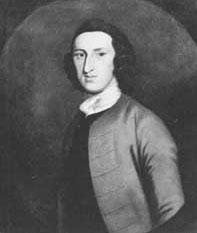
portrait — William Livingston
William Livingston
1723–1790 · Governor of New Jersey
Born into a wealthy and politically prominent family, Livingston graduated from Yale in 1741, studied law with James Alexander and William Smith, Sr., and wrote a digest of the laws of New York with his teacher, William Smith, Jr.