 >
>Coining Money
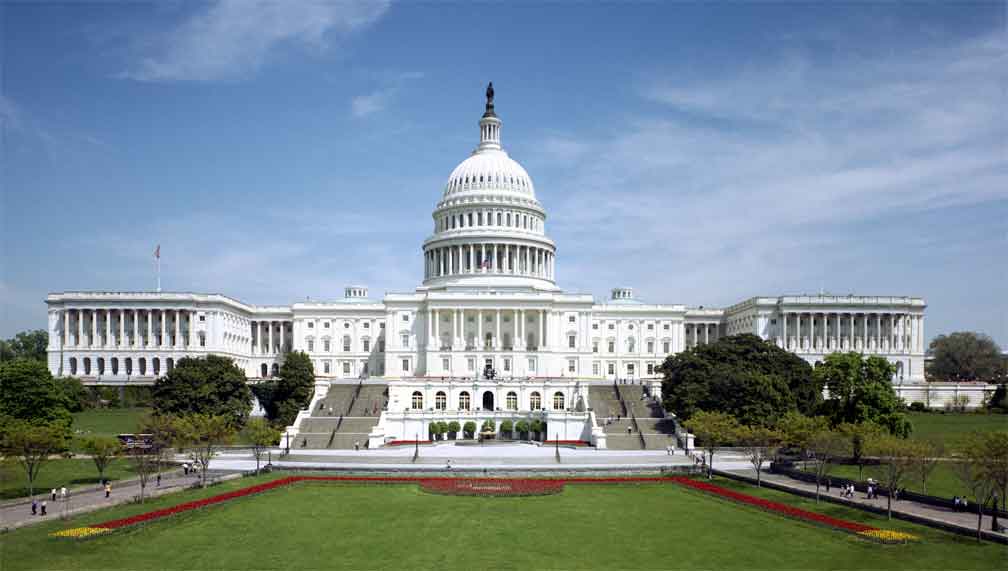
The Congress
"The Congress shall have power ... to coin money, regulate the value thereof, and of foreign coin, and fix the standard of weights and measures." This gives the Congress the power to coin money, as well as determine its value. The authority to coin money has been expanded by the courts to including the issuing of all forms of currency, including paper money.
.
The framers of the Constitution considered the establishment of a single national currency an important function of government. Initially, only gold coins were issued. The charter of the First Bank of the United States (1791) gave it the right to issue bank notes, but the bank notes were not legal tender. In 1863, they were made legal tender, and were called "greenbacks." At first, the Supreme Court stated that the issuing of greenbacks was unconstitutional (Hepurn v. Griswold), since the Constitution spoke only of coining money. In two subsequent cases, Legal Tender of 1871 and Julliar v. Greenman, the Court changed its mind and declared greenbacks constitutional.