 >
>Executive Privilege
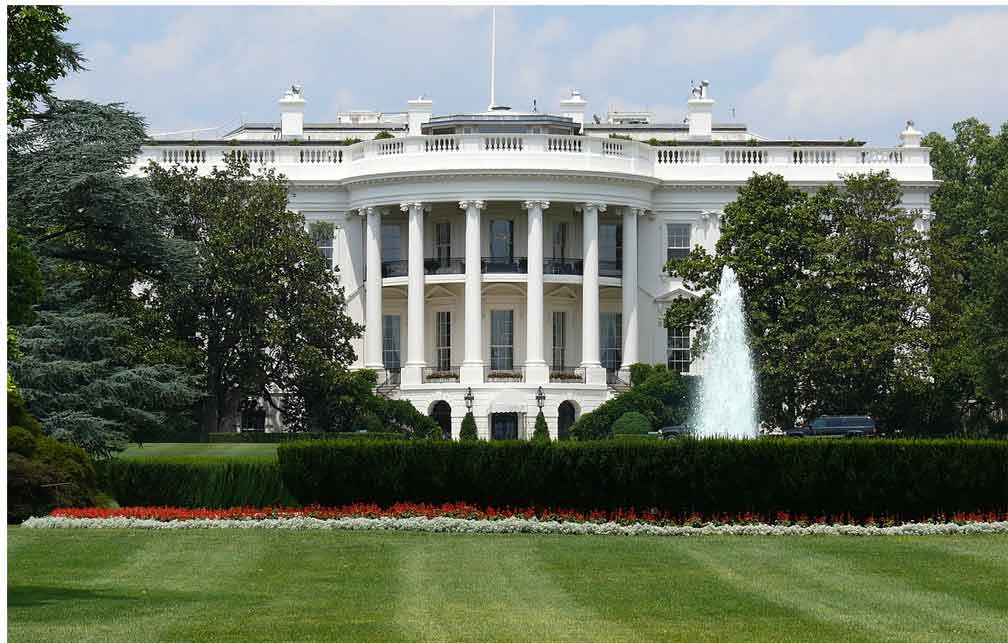
The White House
Presidents have claimed executive privilege, the right to withhold information from Congress, since the time of George Washington. Although it is not expressed in the Constitution, executive privilege has been accepted as an acceptable, but not absolute, right of US Presidents..
Executive privilege is a right that Presidents have claimed to withhold information from Congress, on the grounds of the need for secrecy in foreign affairs or the need to keep advice secret. Washington first claimed executive privilege when Congress, investigating a military debacle with some Indians, demanded papers on the matter. Washington claimed the right to decide which papers to turn over to Congress and which to withhold, explaining that "the disclosure of" of some of the papers "would endanger the public.” Executive privilege had gone largely unchallenged until the Watergate scandal, when President Nixon invoked it as he refused to turn over incriminating tapes. The Supreme Court declared such an action unconstitutional, and ordered him to turn over the tapes.
.