 >
>Vice President
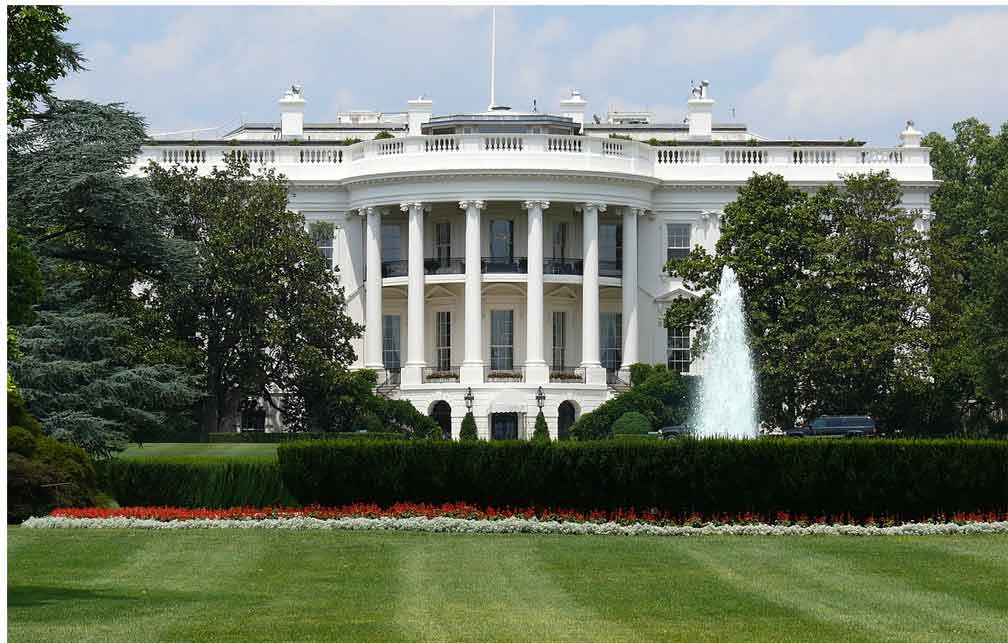
The White House
The Constitution gives few duties to the Vice President. He or she presides over the Senate and waits in case the President is disabled or dies. Recent administrations have attempted to provide the Vice President with actual responsibilities.
Benjamin Franklin stated that the Vice President should be called "His Superfluous Majesty." Daniel Webster refused to become Vice President because "he did not propose to be buried until he was already dead." The reason for these statements is clear: the Constitution provides no real power for the Vice President. The Vice President does preside over the Senate, but the only real power he has in the Senate is the ability to break a tie vote. The Vice President's main role is to be available to become President if the President dies in office, resigns, or is impeached and removed from office. Under the Twenty-fifth Amendment, the Vice President assumes the power of the presidency if the President decides he is disabled, or if the Vice President and the majority of the cabinet declares that the President is disabled.
The powers of the Vice President are determined by what the Presidents have been willing to delegate the Vice President. In the twentieth century, Vice Presidents have traditionally been given ceremonial functions, such as attending funerals and other state visits. President Carter gave Vice President Mondale additional responsibilities. Since the Carter presidency, Presidents have attempted to give additional roles to the Vice President.
.