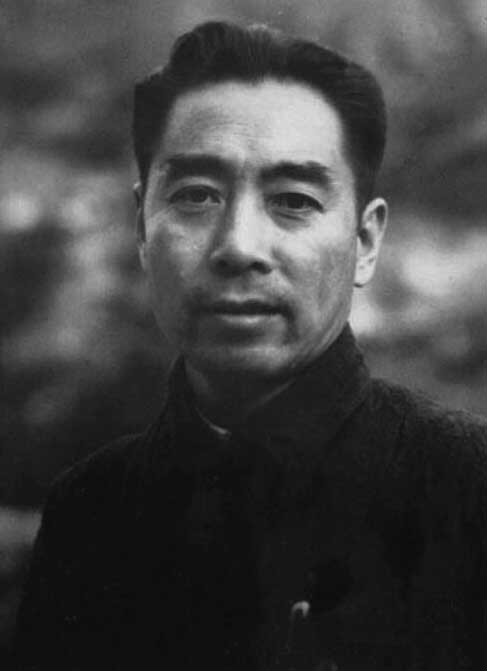
Zhou Enlai was the first premier of the People's Republic of China and, for decades, the suave and skillful face of Chinese diplomacy, a master administrator who served at Mao Zedong's side through revolution and rule. Born into a declining gentry family, he was educated in China, Japan, and France, and it was as a student in Europe that he became a committed Communist and helped organize the party's overseas branches.
Returning to China, Zhou became a central figure in the Communist movement through the bitter years of civil war, the epic Long March, and the war against Japan. A consummate negotiator and organizer, he combined revolutionary commitment with cultivated charm, and he survived the violent factional struggles within the party as few others did.
When the Communists triumphed in 1949, Zhou became premier and foreign minister of the new People's Republic, posts he held for the rest of his life. He guided China's foreign relations with notable adroitness, representing his country at international conferences, easing it out of isolation, and helping to arrange the historic 1972 visit of President Richard Nixon that began the thaw with the United States.
At home, Zhou worked to moderate the worst excesses of Mao's upheavals, and during the chaos of the Cultural Revolution he labored to protect officials and institutions from destruction. Widely respected and mourned, he died in early 1976, only months before Mao, his passing setting off a wave of public grief.