421952
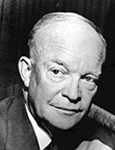
portrait — Dwight D. Eisenhower
Presidential Election · 1952
The Election of 1952
Dwight D. Eisenhower defeats Adlai Stevenson
War hero “Ike” ends twenty years of Democratic rule in a landslide.
Republican VictoryDwight D. Eisenhower defeats Adlai Stevenson
War hero “Ike” ends twenty years of Democratic rule in a landslide.
Republican VictoryThe Result
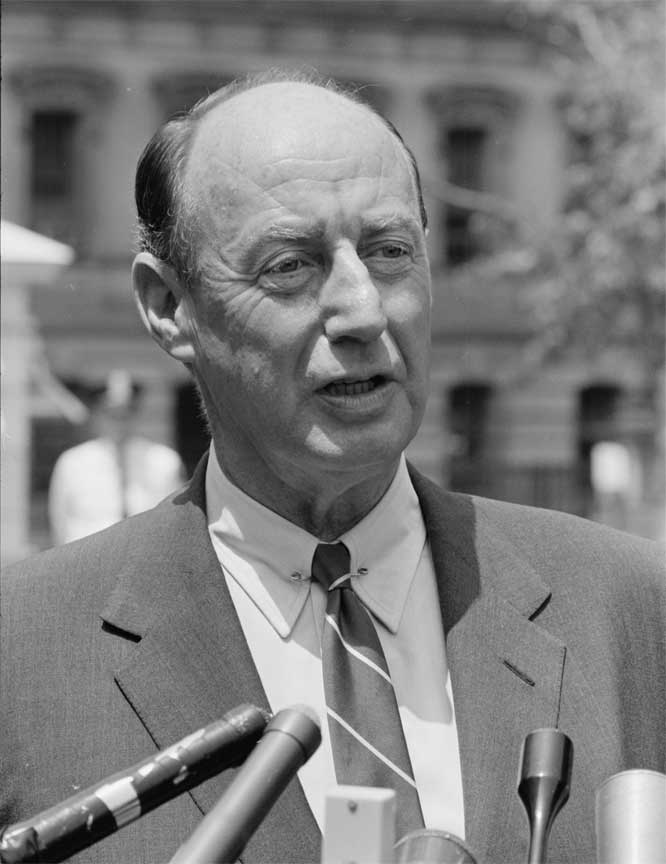
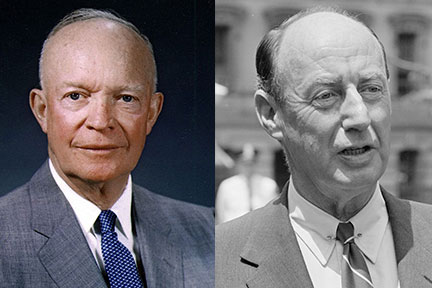

War hero “Ike” ends twenty years of Democratic rule in a landslide.
1952 Elections Eisenhower VS stevenson.
Both the Republican and Democratic parties actively courted General Dwight D. Eisenhower. However, Eisenhower was a Republican at heart. He agreed to run as the Republican nominee for the "good of the nation." Senator Robert Taft, of Ohio, opposed Eisenhower for the nomination. Taft represented the old "isolationist wing" of the Republican Party. Taft won more of the primaries than Eisenhower. General Eisenhower was nominated on the first ballot at the 1952 Republican convention in Chicago. It was initially believed that President Truman would run for reelection. Though after he was defeated in the New Hampshire Primary, Truman withdrew his candidacy. He chose to support Governor Adlai Stevenson, of Illinois, for the Democratic nomination. At the Democratic convention in Chicago Stevenson was elected on the third ballot.
Eisenhower took the high road in the campaign. He left the job of leveling attacks to his Vice Presidential candidate Richard Nixon. The Republicans accused the Democrats of "K1C2"– Korea, Communism, and Corruption.
Nixon, himself, was almost dropped from the campaign. The pressure began after he was accused of maintaining an $18,000 slush fund. Nixon went on national TV, in a speech later known as "The Checkers Speech." The speech was named after Nixon's dog, Checkers, whom he referred to in his speech. Most of the responses to this speech were very favorable to Nixon. This enabled Nixon to keep his position on the Republican ticket.
Toward the end of the campaign, Eisenhower promised to go to Korea and end the impasse of the war. The country voted overwhelmingly for Eisenhower.
The Popular Vote
The recorded popular vote in each state.
Figures as recorded by HistoryCentral.