Boeing B-29 Superfortress
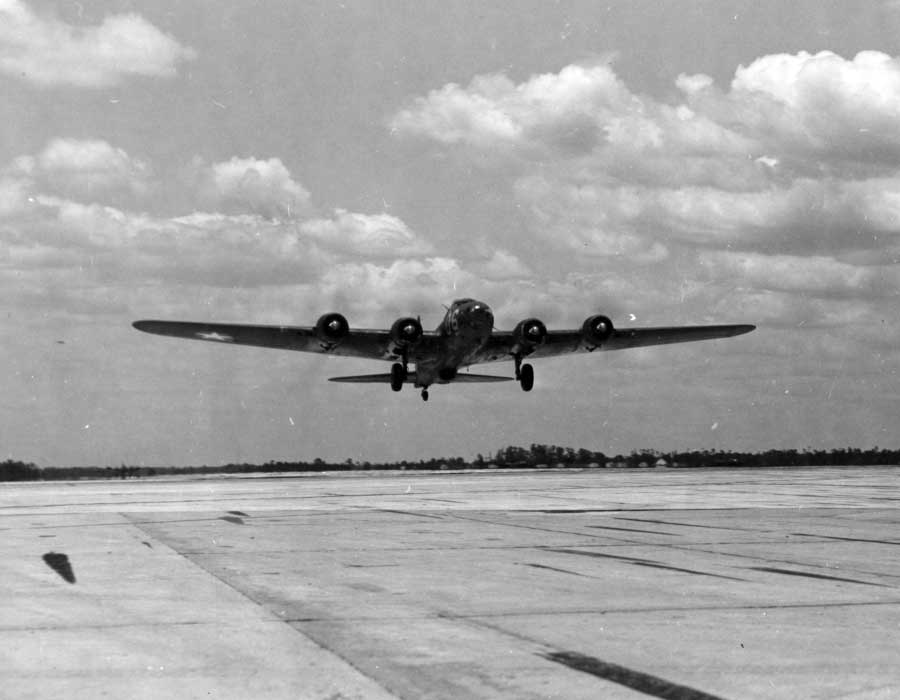
The Boeing B-29 Superfortress was the most advanced and heaviest heavy bomber to see service in World War II. First flown in September 1942, it introduced a pressurized cabin, remotely controlled gun turrets, and exceptional range and bomb load. Operating in the Pacific theater, B-29s began raids on Japan from bases in China in 1944 and then conducted devastating high- and low-altitude bombing campaigns from the Mariana Islands.
The aircraft is best known for dropping the atomic bombs on Hiroshima and Nagasaki in August 1945, missions flown by the B-29s Enola Gay and Bockscar. Roughly 3,970 were built. Its enormous development cost made it one of the most expensive weapons programs of the war, and it remained in service for years afterward, also seeing combat in Korea.
Specifications
- Manufacturer
- Boeing
- Type
- Four-engine heavy bomber
- Crew
- 11
- First Flight
- September 21, 1942
- Powerplant
- 4 × Wright R-3350 Duplex-Cyclone radials, 2,200 hp each
- Max Speed
- 357 mph
- Range
- 3,250 mi (with bomb load)
- Service Ceiling
- 31,850 ft
- Length
- 99 ft
- Wingspan
- 141 ft 3 in
- Loaded Weight
- 135,000 lb (max takeoff)
- Armament
- 10–12 × .50 in machine guns (and originally 1 × 20 mm cannon); up to 20,000 lb of bombs