Air Tactics Tested in the Spanish Civil War
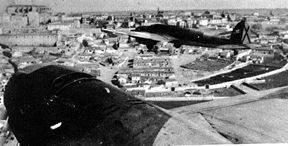
The Spanish Civil War (1936-1939) became an unintended proving ground for the air-warfare theories that had been debated since the First World War. With the major European powers eager to test new aircraft and tactics under genuine combat conditions, Spain offered a live laboratory in which doctrine could be refined against a real enemy rather than on paper or in maneuvers.
Germany's Luftwaffe intervened on the side of General Francisco Franco's Nationalists, dispatching the volunteer Condor Legion. There German pilots and aircraft, including the Junkers Ju 87 dive bomber and the Messerschmitt Bf 109 fighter, were evaluated in action. The Germans developed and validated concepts of dive bombing, close air support, and fighter interception that would shape Luftwaffe operations in the coming world war. The bombing of Guernica in 1937 also demonstrated, brutally, the destructive potential of air attacks against civilian targets.
The Soviet Union supplied aircraft, pilots, and technical assistance to the Republican government, while Italy contributed forces to the Nationalists. The lessons drawn from these clashes, particularly regarding the value of monoplane fighters and coordinated air-ground tactics, fed directly into the doctrines that nations would employ when full-scale war erupted in 1939.